For moms raising neurodivergent kids
The Label is Rarely the Whole Story.
Autism, ADHD, a delay, or no name for it yet. Whatever word you were given, it didn’t tell you why bedtime takes three hours, or what to try next. Bring us the hardest part of your week and we’ll talk it through with you.
Book a FREE help session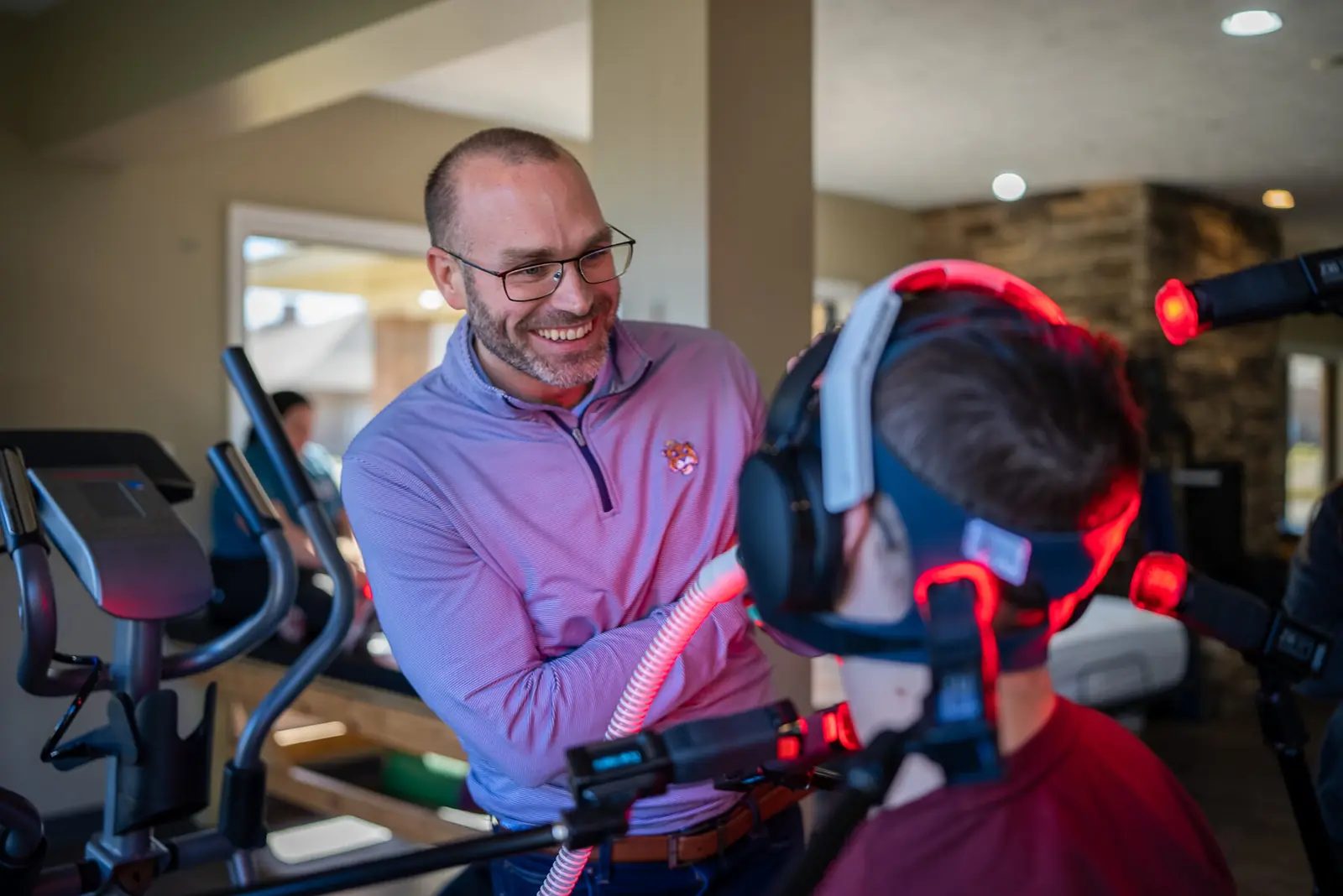
Included with your free session
The NeuroHome assistant, an AI guide inspired by the teaching of licensed clinicians such as Dr. Kyle Daigle
Yours after the call, to ask any time.
If this sounds like your house
-
You’ve done the waiting.
First you were told to wait and see. Then came the wait for an evaluation. Now there’s a list for every service, and your child keeps growing while you’re on hold.
-
You’ve tried the things.
The therapies, the diet changes, the chart on the fridge, the program a friend swore by. Some of it helped for a while. Most of it faded, and each one cost you a little more hope.
-
You’re running on empty.
You make the calls, fill in the forms and do the reading at 1 a.m. You’re tired in a way sleep doesn’t touch, and you’re still the one everybody leans on.
None of this is because of something you did or didn’t do.
A diagnosis names it. It doesn’t explain your child.
Two children with the same diagnosis can have completely different days. One can’t settle at night. One falls apart at the dinner table. One has gone quiet. The word on the report is the same. What each of them needs is not.
That’s what a help session is for: a conversation about your child’s days, not the word on the report.
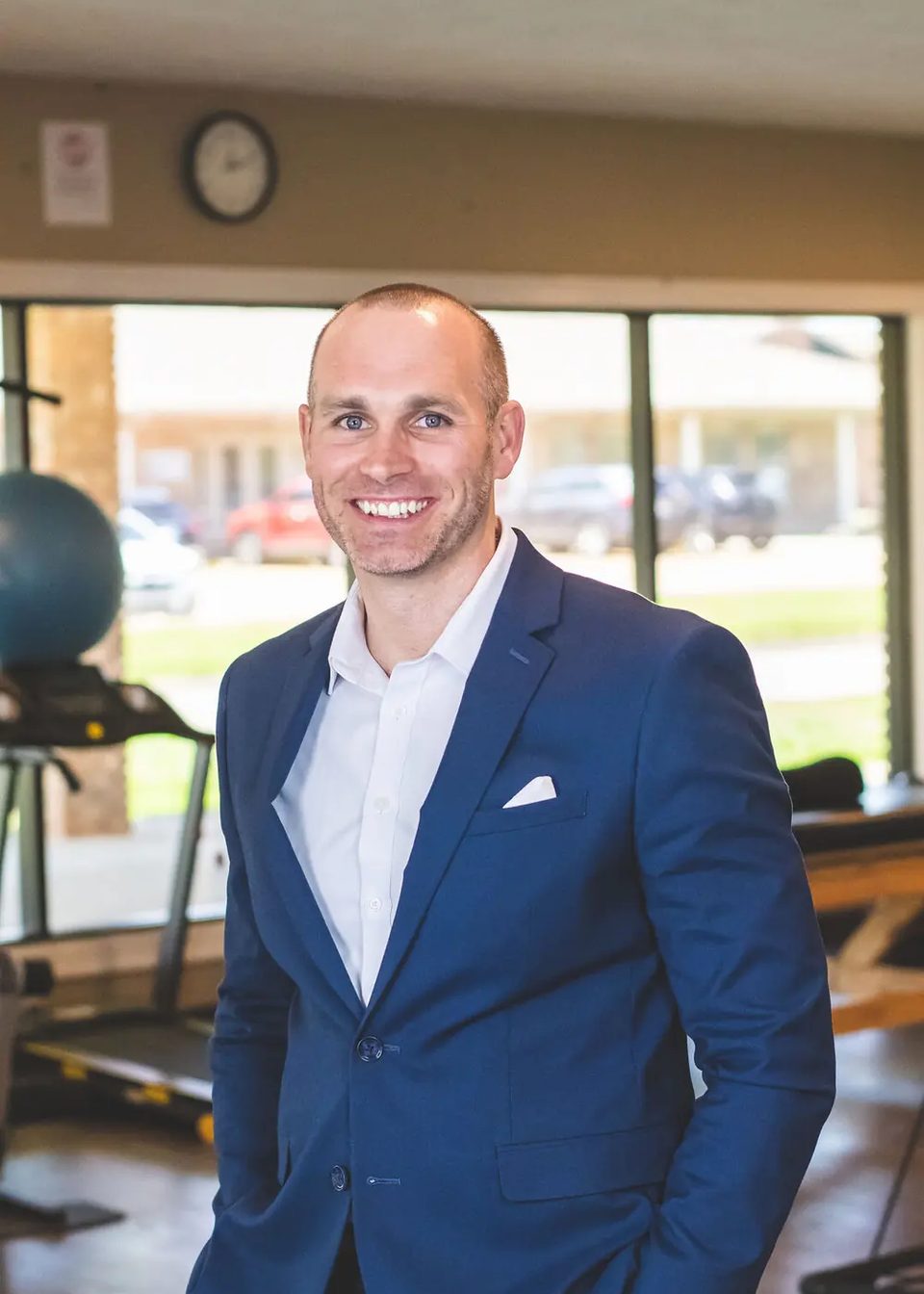
Inspired by the work of licensed clinicians such as Dr. Kyle Daigle
Skills are built from the bottom up.
Speech, attention, learning and behavior sit at the top of a pyramid. They rest on what’s underneath: a body that feels safe, and senses and movement that work together. When the lower layers are shaky, help aimed at the top has little to stand on.
It’s like remodeling a house. The foundation and wiring come before the finishing touches.
The whole child, not just the brain
Sleep and behavior are connected. So are the gut and mood, breathing and sleep, posture and attention. That’s why we look at all of it together.
- Use Speech, attention, learning, behavior
- Build Senses, balance, coordination, posture
- Where the work starts Calm Sleep, digestion, a nervous system that feels safe
A free help session, built on every family we’ve helped
One conversation with our team, by phone or video, at no cost. We bring what we’ve learned from families in 48 states and 63 countries. You bring the hardest part of your week.
-
Tell us what’s happening
You go first. Say what’s happening at home and what you’ve already tried. Nobody will rush you or tell you to wait and see.
-
Hear what we’ve seen
We’ll tell you what families in the same spot were facing, where they started, and what we learned alongside them.
-
Leave with a place to start
A clearer way to look at what you’re seeing, and straight answers to your questions. If we’re not the right people to help, we’ll say so.
You’ll talk with someone from the NeuroHome team. They aren’t a clinician, so a help session isn’t medical advice.
Parents on their first conversation with us
-
“Dr. Kyle sat with us and explained things nobody had mentioned in years of appointments. We weren’t a number coming into a clinic. We were a family, and he gave us answers, a plan and hope.”
Reaghan, a NeuroHome parent who now works with our team -
“While we have seen success with these treatments there always seemed something was just not ‘clicking.’”
“His world began to open up and he started to explore more of his surroundings.”
“We cannot wait to hear our little man sing.”
A parent, about their son’s time at our clinic -
“It felt like nobody would understand what we were going through and nobody knew how to connect the dots.”
“I never stop researching. I never stop searching for answers.”
A mom, about her teenage daughter’s care at our clinic
Shared with each family’s permission. Every child is different, and these words don’t promise any result.
You’re far from the first family to ask us for help.
-
63
countries
Families have traveled to our clinic from six continents.
-
48
U.S. states
Families have come to the clinic from nearly every state.
-
10,000+
family visits
The clinic visits our method was built from.
-
2011
clinic opened
Our clinic has worked with families ever since.
Our method
Calm, Build, Use: the order we work in
Most help goes straight to what everyone can see: the behavior, the speech, the schoolwork. NeuroHome works in a different order, and the order is the method.
-
1 Calm
First, help the body feel safe
Sleep, digestion and a settled nervous system come first. A child on high alert has a hard time taking anything in.
-
2 Build
Then, strengthen the basics
Balance, coordination, posture and how the senses take in the world. Attention and speech lean on these.
-
3 Use
Then, work on the skills you can see
Speech, attention, learning and behavior. With the layers underneath steadier, this work has something to stand on.
What’s different about it
- Bottom-up
- It starts underneath the behavior, not with the behavior.
- The whole child
- Sleep, gut, movement and senses are looked at together, not one specialist at a time.
- Small daily steps
- A few minutes of the right input every day. Nobody expects you to become a full-time therapist.
- No miracles
- Progress is real and rarely a straight line. We’ll be straight with you about that.
On your help session, we’ll walk you through the method and where families usually start.
- Included with your free help session
- Reserved for families who come to a help session
Help for the questions that come at 1 a.m.
When you come to your help session, the NeuroHome assistant is yours. It’s an AI guide inspired by the teaching of licensed clinicians such as Dr. Kyle Daigle, and you can ask it at any hour.
Things parents ask it
- “My child cannot calm down after school.”
- “Why is bedtime so hard?”
- “What can we try at mealtimes?”
- Ask it the way you’d say it. Sleep, meltdowns, mealtimes, speech, sensory overload.
- There at any hour. No forms, no waitlist and no appointment to book.
- A place to start. It walks you through what to look at, and what families often start with at home.
From parents who were where you are


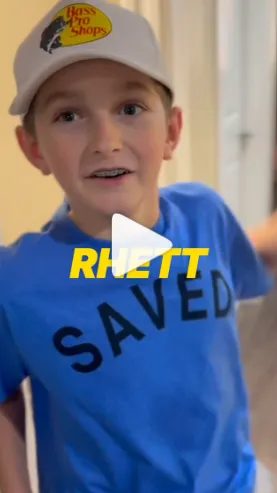
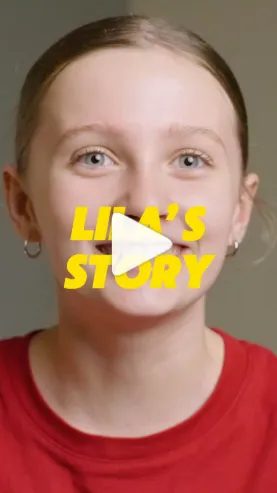


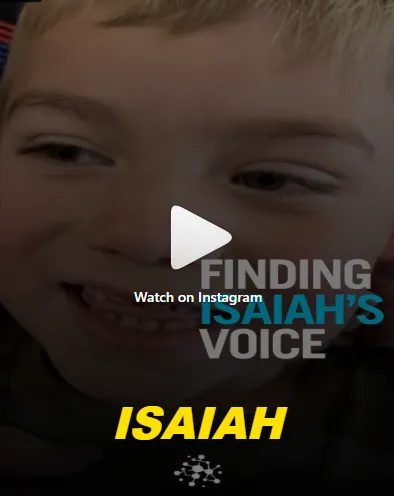


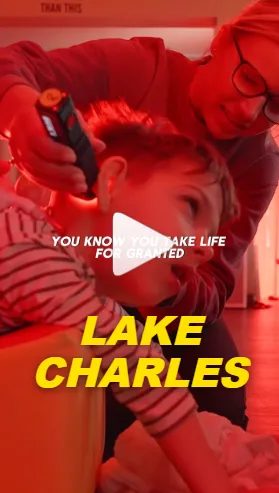
Shared with each family’s permission. Every child is different, and these stories don’t promise any result.
Before you book
Is this a sales call?
No. Nothing is sold on a help session and no price is quoted. If it seems like we could help beyond the call, we’ll say so, and what you do with that is up to you.
Who will I be talking to?
Someone from the NeuroHome team. They aren’t a clinician and will tell you so at the start, so the call isn’t medical advice.
Does my child need a diagnosis?
No. Come with one, several, or none.
What does it cost?
Nothing. The help session is free.
What should I have ready?
Nothing. If it helps, jot down what’s been hardest lately so you don’t lose it once we’re talking.
What is the NeuroHome assistant?
An AI guide from our team that you can ask about everyday things like sleep, meltdowns and mealtimes, and about the program. It isn’t a clinician and doesn’t give medical advice. You get the link after your help session.
You’ve carried this a long way on your own.
Bring us the hard part. We’ll listen first.
Open the booking page in a new tab
Free, by phone or video. Nothing is sold on this call. Afterward you get the NeuroHome assistant, our AI guide for parents.